- The Modern Man
- Posts
- The 3 Second Habit That Could Change Everything
The 3 Second Habit That Could Change Everything
Small daily changes that can completely reset your brain and body.

Dr. Anne Truong
May 21, 2026
Sponsored by


Hey there, Modern Man.
You’ve probably heard the same advice over and over again when it comes to performance issues.
“Maybe it’s your hormones.”
“Maybe it’s stress.”
“Maybe it’s just aging.”
But what if the real issue has nothing to do with any of those things? What if the problem is actually connected to weak muscles that most men never think about training?
In this week’s breakdown, you’ll learn why pelvic floor strength matters more than most people realize, why most men train it incorrectly, and what simple daily habits may help improve control, circulation, and confidence naturally.
Let’s get into it.
Kickstart your NAD+ skin transformation.

Aramore’s MIT & Harvard co-founders developed a special complex to help boost back skin’s NAD+, the molecule that controls how we age. Best part: you’ll see results in just one skin cycle, or 28 days.
Start your skin transformation with 20% off. Use code NEWSLETTER20.
Your pelvic floor muscles are located between your tailbone and pubic bone. They act like a support system for your lower core and play a major role in circulation, bladder control, stability, and overall performance quality.
When these muscles are strong and functioning properly, they help maintain pressure and support healthy blood flow. But when they become weak over time, you may notice reduced endurance, weaker firmness, or difficulty maintaining consistency.
The problem is that most men never intentionally train these muscles. You train your chest, arms, legs, and abs regularly, but this area is usually ignored completely.
Long hours sitting down, lack of movement, poor posture, stress, and aging can all contribute to weakness in this part of the body.
And because nobody talks about it openly, many men assume the issue must be something much more serious.
🔬 What Research Says 🔬
A clinical study published in BJU International found that targeted pelvic floor exercises significantly improved performance related concerns in men after consistent training over time.
Researchers observed improvements in muscular control, support, and circulation without relying on medication based approaches.
📚 Research Study
https://pubmed.ncbi.nlm.nih.gov/8435738/
Another review highlighted how strengthening the pelvic floor may improve confidence, control, and overall function when practiced consistently.
The important thing to remember is that results do not come from intensity. They come from proper technique and consistency.
Want to grab the products that I mentioned in my podcast episodes? Head over to my Modern Man Crib store and shop now!
💪 The Simple Routine That Actually Matters 💪
Most men do these exercises incorrectly because they tense their entire body instead of isolating the pelvic floor. If your glutes, thighs, or abs are squeezing hard, you are likely overdoing it.
The goal is controlled activation, not maximum force.
Here’s a simple beginner routine you can follow:
Hold the contraction for 3 seconds
Relax slowly and completely
Perform 10 repetitions
Complete 3 sets
Repeat twice daily
When you first start, it helps to practice lying down with your knees bent. Once you become more comfortable controlling the movement, you can progress to sitting and eventually standing.
Small, controlled contractions performed consistently are much more effective than aggressive squeezing.
⚠️ Common Mistakes Most Men Make ⚠️
A lot of men unknowingly make the same mistakes when trying pelvic floor exercises.
Here are the biggest ones to avoid:
Holding your breath during contractions
Tightening your glutes or inner thighs
Rushing through repetitions too quickly
Training too aggressively too soon
Expecting instant results after a few days
These muscles respond best to patience and consistency. Think of it like improving posture or flexibility. Small improvements build up over time.
Tired of not performing at your best and want to restore function quickly with Dr. Anne's Get Hard System in as little as 5 days?
🥗 Nutrition Corner 🥗
Exercise is only one piece of the puzzle. Your circulation, hydration, and recovery habits also play a huge role in how your body performs.
Here are some foods that naturally support healthy blood flow and muscle function:
Leafy greens for natural nitrates
Watermelon for citrulline support
Fatty fish for omega 3 fats
Berries for antioxidants
Nuts and seeds for magnesium
Dark chocolate in moderation for circulation support
Hydration matters too. Even mild dehydration can affect energy, circulation, and muscular performance more than most people realize.
🚶 Move More Throughout the Day 🚶
One of the worst things for your pelvic floor and circulation is sitting for long periods without movement.
Modern lifestyles keep you seated for hours at a time, which can create tight hips, poor posture, and weak core support over time.
Simple habits can make a noticeable difference:
Stand up and walk every hour
Stretch your hips daily
Practice deep breathing exercises
Improve your sitting posture
Add light movement after meals
Your body performs better when it moves consistently.
The Post-Workout Recovery Secret You’re Sleeping On

Your muscles rebuild when you’re sleeping, and not getting enough sleep can affect your post-workout recovery. CBDistillery’s sleep products are formulated to support your sleep naturally; in a 2021 study, participants reported sleeping an hour longer on average after taking CBDistillery’s combination of CBD and CBN. Save 25% with code SLEEPMORE.
A lot of men think having erectile dysfunction automatically means low hormones, aging, or some hidden physical problem. But what if the real issue starts in your brain?
What you repeatedly consume can shape your dopamine system, affect your motivation, change how your brain responds to stimulation, and even impact how you connect in real life.
The scary part is that most men do not notice it happening until confidence, focus, and intimacy start feeling completely different.
This week, we’re breaking down how overstimulation affects your brain, why it may impact performance and confidence, and what you can start doing today to reset your system naturally.
🧠 Your Brain Runs the Entire Show 🧠
Most people think performance starts below the belt. It doesn’t. It starts in your brain first.
Your brain controls arousal, motivation, emotional connection, confidence, and the release of important chemicals that influence how your body responds in intimate situations.
When your brain becomes overloaded with constant artificial stimulation, your dopamine system can start adapting to higher and higher levels of input.
That means regular real life experiences may begin to feel less exciting, less stimulating, or emotionally flat.
Over time, this can lead to:
Reduced motivation
Increased anxiety
Lower confidence
Difficulty staying present
Avoidance of intimacy
Reduced response to real world connection
This is why some men experience problems even when medical tests come back completely normal.
⚠️ Why Anxiety Makes Everything Worse ⚠️
Once confidence starts dropping, many men enter a cycle that becomes difficult to escape.
You worry about performance. That anxiety creates stress. Stress affects arousal and focus. Then the next experience becomes even more stressful.
This creates a feedback loop where the fear of struggling becomes part of the struggle itself.
Your brain and body are deeply connected. If your mind is stressed, anxious, distracted, or emotionally disconnected, your physical response often follows.
That is why rebuilding confidence is just as important as improving physical health.
Join me on a se.xual revolution to empower men and women to regain our se.xual power. The Modern Man Club is a place where Dr. Anne shares her research-based secrets for se.xual performance without medication or surgery.
🔄 The Reset Strategy That Actually Helps 🔄
There is no magical supplement that instantly fixes an overstimulated brain and the confidence issues that come with it. The biggest improvements usually come from rebuilding healthier habits consistently over time.
Here are some of the most effective starting points:
Reduce or completely remove artificial stimulation
Exercise consistently to support dopamine balance
Spend less time scrolling and overstimulating your brain
Prioritize sleep and recovery
Practice meditation or breath work daily
Build more real world connection and interaction
Get accountability or coaching if needed
Even one small habit change can begin shifting your brain in a healthier direction.
📱 Interesting Fact About Dopamine 📱
Dopamine is not just the “feel good” chemical. It is also connected to:
Motivation
Focus
Drive
Reward
Learning
Anticipation
When your dopamine system becomes overstimulated too often, everyday experiences can start feeling less rewarding.
That is why taking breaks from constant stimulation can feel uncomfortable at first but incredibly beneficial over time.
The Anti-Aging Solution Men Actually Use
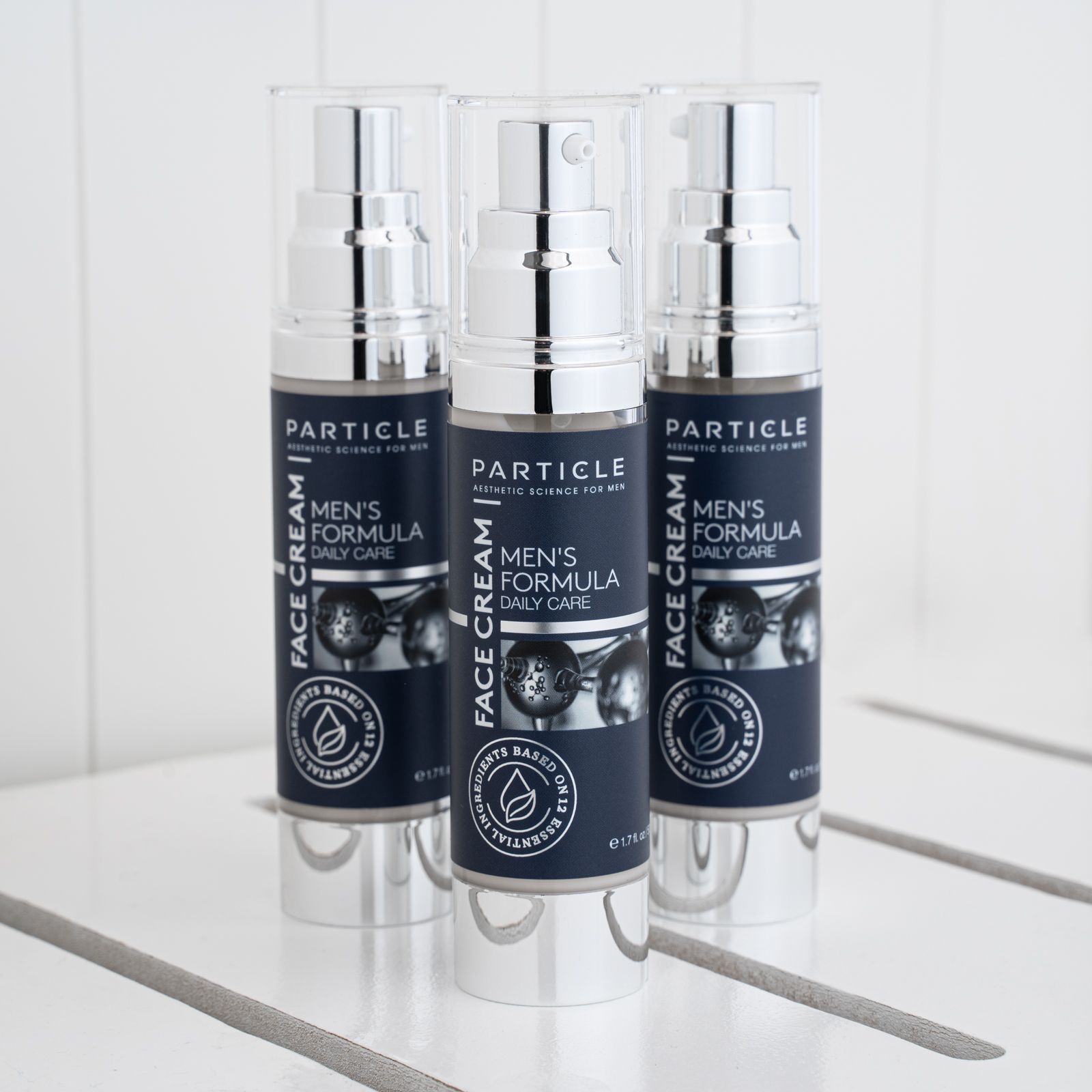
Over 1,000,000 men have made Particle part of their routine. One product. Multiple premium anti-aging ingredients. Clinically researched and engineered for men's skin. Reduces eye bags, dark spots, and wrinkles without adding complexity to your morning. Easy, effective, worth it. Get 20% off now with the code BH20.
✅ Action Items You Can Start Today ✅
Real change does not happen from one big decision. It comes from small habits you repeat consistently every day. Start with a few simple actions that help reset your brain, strengthen your body, and rebuild your confidence over time.
Practice pelvic floor exercises twice daily with slow and controlled contractions.
Reduce or completely remove artificial stimulation that overloads your dopamine system.
Move your body every day, even if it is just a 20 minute walk.
Improve your sleep schedule and aim for consistent recovery each night.
Spend at least 10 minutes daily doing meditation, breath work, or quiet reflection.
Limit mindless scrolling and unnecessary screen time before bed.
Stay hydrated throughout the day to support circulation, energy, and focus.
Focus on building real world connection and reducing isolation.
Be patient with yourself because rebuilding confidence and mental balance takes consistency.
❓ Frequently Asked Questions ❓
Why do I struggle even when my medical tests come back normal?
A lot of performance issues can be connected to stress, anxiety, dopamine imbalance, overstimulation, or weak pelvic floor muscles. Your brain and body work together, so physical health is only one piece of the puzzle.
How long does it take to notice improvements?
Everybody responds differently, but many men notice small improvements within a few weeks of consistent habit changes. The key is consistency, not perfection.
Can exercise and diet really make a difference?
Yes. Regular movement, proper nutrition, better sleep, and stress management all support circulation, hormone balance, brain health, and confidence.
What if I keep relapsing into unhealthy habits?
Recovery is rarely perfect, and setbacks do not erase your progress. Focus on improving your routines little by little instead of expecting overnight change.
Do I need supplements or medication to fix this?
Not always. In many cases, lifestyle changes, stress reduction, better sleep, exercise, and rebuilding healthier habits can significantly improve both mental and physical performance.
Disclaimer: The statements made here have not been evaluated by the Food and Drug Administration and represent the professional opinion(s) of the author. The purpose of this is not to act as a personal physician to any reader and is not meant to directly or indirectly diagnose disease, dispense medical advice, or prescribe the use of any products or services as treatment for sickness or disease. This information is for educational purposes only. You should always cooperate with a licensed health professional of your choice with the goal of creating optimal health. Please consult your physician prior to implementing any of the strategies mentioned in this or starting any diet, exercise, or health program, especially if you are pregnant or nursing. Any application or use of the information, resources, or recommendations contained here is at your own risk.
Disclosure: It's my pleasure to provide you with this information and the tools offered at no cost. To do this, please note that I am a partner with various companies that I trust. I do receive a small commission when you follow links and purchase items, but it's all free to view if you want it to be. Your price does not change if you decide to purchase. I only share opportunities I believe are a huge win for you, and I will never (ever!) share anything with you that I don’t personally use, support, or would recommend without an affiliate link.
If you don't want to receive my newsletter, click unsubscribe below or change your subscription preferences.